Expert Trauma Therapy & PTSD Treatment in NYC
If you feel "stuck" in survival mode—constantly on edge, emotionally numb, or unable to shake a persistent sense of dread—you are experiencing the physiological footprint of trauma. I provide a safe, sophisticated space in Manhattan for high-performing individuals and couples to process the aftermath of overwhelming life events. My goal is to move you beyond simple coping toward **vitality, integration, and a nervous system that finally feels at home.**
Dr. Matthew Paldy, PhD, LP — Clinical Authority in Trauma Recovery
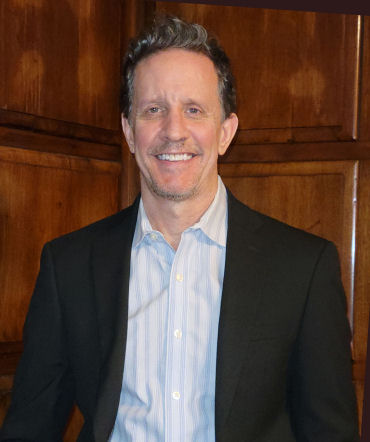
As a NYS Licensed Psychoanalyst with a PhD in Business Administration, I offer a unique perspective on trauma. I understand that for many NYC professionals, trauma doesn't just look like a single event; it looks like the **cumulative weight** of childhood emotional neglect, workplace harassment, or high-stakes pressure that has pushed your internal alarm system into overdrive.
The Roadmap to Healing: What to Expect
Trauma therapy is not about "reliving" pain; it is about metabolizing it so it no longer controls your present. My work follows a structured, three-phase approach:
- Phase 1: Stabilization & Safety. We focus on regulating your nervous system. We move you out of "survival mode" and build the emotional tools needed to feel safe in your own body.
- Phase 2: Depth Processing. Using narrative and relational techniques, we gradually integrate the traumatic memories. This stops the "looping" thoughts and intrusive flashbacks.
- Phase 3: Integration & Vitality. We shift focus to the future—reclaiming your identity, restoring trust in relationships, and re-engaging with your career and passions with a coherent sense of self.
Complex PTSD (C-PTSD) and Relational Trauma
While PTSD often stems from a single shock (like a car accident or medical crisis), **Complex PTSD** usually involves prolonged or repeated exposure to trauma, often within relationships. This can create a "shattered self," leading to chronic shame, difficulty trusting others, and a persistent feeling of being "broken."

I specialize in helping clients navigate these "invisible" wounds, including:
- Childhood Neglect: Healing the "attachment wounds" that affect adult intimacy.
- Medical Trauma: Processing the psychological toll of invasive treatments or sudden illness.
- High-Stakes Stress: For executives and founders whose "survival drive" has become a source of exhaustion.
- Moral Injury: Navigating betrayal or trust violations in professional and personal life.
Common Symptoms: Is Your Body Keeping Score?
Trauma lives in the body. If your mind says you're "fine" but your body says otherwise, you may notice:
- Hypervigilance: Feeling "on guard" in social or professional settings.
- Emotional Numbness: Feeling detached from loved ones or unable to feel joy.

- Intrusive Loops: Reliving past events through nightmares or "day-mares."
- Physical Tension: Chronic headaches, chest tightness, or a sudden racing heart.
A Safe Clinical Home for Your Recovery
In the fast-paced, often invalidating environment of New York City, therapy should be a sanctuary. My approach is depth-oriented and relational, meaning we don't just "talk about" the trauma—we create a restorative emotional experience in the room that helps your brain and body learn that the danger has passed.
Trauma Insights & Articles