Executive Burnout Therapy in NYC for Business Leaders
Executives, founders, and finance professionals in New York City face unique pressures within a culture that prioritizes high performance and relentless hours. When the demands of a high-stakes career lead to exhaustion, irritability, or a loss of purpose, specialized support is required. I provide executive burnout therapy in NYC designed to help high-achieving individuals restore their resilience and clarity.
Dr. Matthew Paldy, PhD, LP — Clinical & Business Expertise
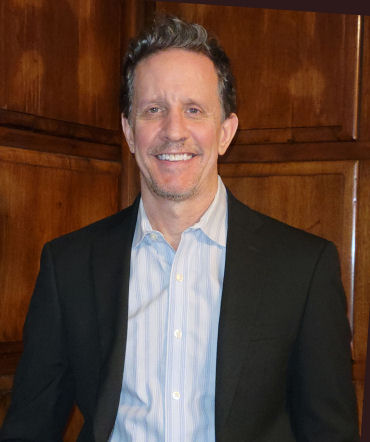 As a Licensed Psychoanalyst with a **PhD in Business Administration** (Management and Organizational Behavior), I bring a unique perspective to professional exhaustion. Having worked for organizations like **Chase, UBS, and the Federal Reserve Bank of New York**, I understand the structural and psychological realities of the NYC corporate world.
I integrate this corporate background with depth-oriented psychotherapy to help accomplished professionals move beyond mere symptom relief toward a renewed sense of purpose and emotional freedom.
Burnout Case Studies: Real-World Recovery
High-stakes roles require a specific understanding of how burnout intersects with professional identity. These case studies provide insights into how I help professionals in different industries navigate and overcome burnout:
Common Issues in Executive Therapy
- Decision Fatigue: When everyday leadership choices feel overwhelming, leading to procrastination or avoidance.
- Impostor Syndrome: Addressing the persistent doubt that often affects even the most successful leaders.

- Anxiety & Risk Aversion: Managing the chronic worry that can paralyze executive decision-making.
- Relational Strain: How professional burnout affects marriages and family life in the city.
- "Alone at the Top": A secure, high-altitude space to decompress and address the vulnerabilities that the boardroom doesn't allow.
Signs of Professional Burnout
Burnout is not just "stress"—it is a state of emotional, physical, and mental exhaustion. In Manhattan's high-pressure environment, it often manifests as:
- Persistent Fatigue: Feeling depleted even after weekends or vacations.

- Emotional Detachment: Growing cynicism toward colleagues and clients.
- Physical Health Symptoms: Tension headaches, digestive issues, and sleep disturbances.
- Substance Reliance: Using caffeine, stimulants, or alcohol to maintain focus or energy levels.
Professional Burnout Therapy: FAQs
How does this differ from executive coaching?
Coaching focuses on performance. Therapy addresses the psychological roots of burnout, enabling sustainable internal change rather than just temporary habit shifts.
Is telehealth available?
Yes. I offer secure, HIPAA-compliant remote sessions via Zoom for professionals with demanding schedules.
How long until I notice improvement?
Many clients notice increased energy, clarity, and emotional balance within 8–12 sessions.