Trauma Therapy & PTSD Treatment in NYC
This page is a central hub for trauma-related clinical topics. It offers information on trauma-related issues including PTSD, complex trauma, developmental trauma, relational trauma, and nervous system dysregulation.
Dr. Matthew Paldy, PhD, LP — Trauma Therapy NYC
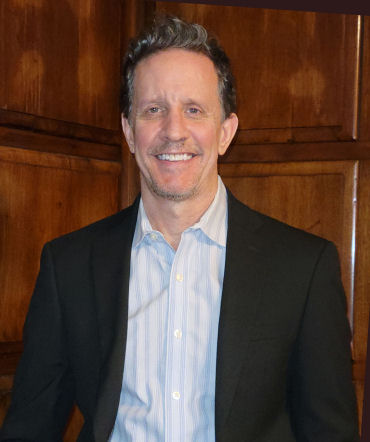
I am a New York State Licensed Psychoanalyst specializing in trauma, attachment, and complex emotional distress in adults living and working in New York City.
My work integrates psychoanalytic and relational therapy with contemporary knowledge of neurobiology, central nervous system regulation, stress tolerance, and developmental trauma. As a trauma therapist, I will sit with your emotional pain, and together we will work through it. As Robert Stolorow eloquently writes, "When we hold space for another person's overwhelming pain, their fragmented internal world gains a sacred presence—one that naturally draws out deep empathy and grounded care. Within that shared, safe container, raw traumatic states can slowly shift into manageable, human sorrow."
Common Trauma Symptoms
Trauma can affect emotional regulation, cognition, the body, and relationships. Common experiences include:
- Hypervigilance: Having feelings of threat or imminent danger.
- Difficulty relaxing: Chronic bodily tension.
- Intrusive memories: Unwanted thoughts, mental images, or sensations.
- Avoidance: Staying away from reminders of distressing experiences.
- Emotional numbing: Reduced emotional range or feeling disconnected.
- Startle response: Heightened sensitivity to loud noise or sudden sounds.
- Sleep disturbance: Insomnia or poor sleep, waking up feeling exhausted.
- Dissociation: Feeling detached from yourself or your surroundings.
- Irritability: Quickness to anger over small things.
- Shame and self-blame: Thinking that your symptoms and suffering are your fault.
- Brain fog: Difficulty concentrating, declining performance at work.
- Chronic exhaustion: Bone-weary fatigue and tiredness that doesn't go away.
Types and Origins of Trauma
Trauma occurs when an experience overwhelms a person's capacity to process it. When an event exceeds the mind's ability to cope, it is not integrated and processed like other experiences. Instead, it remains active in the unconscious and preconscious mind, shaping emotional reactions and behaviors in the present.
Trauma may result from acute events (accidents, medical crises, assaults) or from chronic environments such as ongoing emotional neglect, relational instability, or prolonged stress exposure.
Trauma from multiple factors is called Complex Post-Traumatic Stress Disorder (C-PTSD).
Developmental trauma is particularly significant when early caregiving environments are unsafe or inconsistent. In these cases, adaptation to survival conditions can become embedded in the person's psychological structure, shaping their identity, relationships, and emotional regulation long after the original trauma has passed.

PTSD, Complex PTSD, and Relational Trauma
PTSD typically follows a single traumatic event, while Complex PTSD (C-PTSD) often develops through prolonged relational trauma, particularly in environments where attention from caregivers was faulty or absent. I frequently work with:
- Relational trauma: Betrayal, abandonment, and repeated emotional injury.
- Childhood neglect: Early attachment disruption affecting adult intimacy.
- Medical trauma: Psychological impact of illness or hospitalization.
- Performance stress: Chronic high-functioning survival states often overlapping with executive burnout.

How Trauma Therapy Works
- Stabilization: Establishing what safety means, grounding in the present, and improving emotional regulation in response to triggers.
- Processing: The gradual integration of traumatic memories at a pace that is tolerable.
- Integration: Strengthening identity, connection, and daily functioning as detailed in the table below:
| Dimension |
Traumatic Survival State |
Integrated State |
| Identity |
Defined by threat, violence, or helplessness |
Cohesive, self-directed, resilient |
| Relational Stance |
Hypervigilant, isolated, and reactive |
Connected, boundaried, capable of trust |
| Nervous System |
Chronic hyperarousal or lack of arousal |
Flexible, regulated within window of tolerance |
| Memory Structure |
Intrusive, visceral, unanchored in time |
Contextualized narrative of the past with lessened physiological charge |
| Response to Stress |
Rigid defense mechanisms and alarm behaviors |
Adaptive problem-solving and emotional regulation |
Clinical Approaches
Trauma treatment may draw from multiple frameworks depending on clinical needs.
Psychodynamic / Relational: Focuses on unconscious patterns, attachment injuries, and repetition within relationships, including the therapeutic relationship itself.
Somatic Approaches: Emphasize nervous system regulation, physiological states of hyperarousal and shutdown, and expansion of tolerance for emotional experience.
Cognitive-Behavioral Models: Address trauma-related beliefs, cognitive distortions, and conditioned threat responses.
Internal Family Systems (IFS): Understands trauma as structural fragmentation into protective and wounded parts, working toward internal integration and self-leadership.
Recovery and Integration
Trauma affects your sense of self, confidence, relationships, and emotional life. Therapy focuses on restoring your feelings of safety and helping your nervous system differentiate past threat from present reality. Over time, you can experience improved emotional regulation, better relationships, and a greater sense of safety and confidence.
Trauma is often intertwined with grief and loss, especially when these experiences were never fully processed or acknowledged.
If you are exploring trauma therapy in NYC, I invite you to reach out for a conversation.
Trauma Insights and Articles
Foundations of Trauma and Healing
Developmental and Complex Trauma
Attachment and Relationships
Body and Nervous System
Vicarious Trauma and Burnout