Couples Therapy NYC
Couples come to therapy because they find themselves having the same argument and the same angry outcome and a spiral of frustration for each partner. The issue may be money, sex, working too much or too little, or parenting disagreements. Sometimes what seems to be the issue is really
not the issue, but rather in issue of unconscious desires or frustrations. These unconscious factors are often difficult to discern. I see with regularity couples whose relationship has deteriorated over time. Sometimes as we age, there are disappointments with life that affect one or both partners' daily emotional states.
Under the surface of daily stress, most relationship conflict is driven by unspoken needs and defensive habits developed long before the current argument. When work fatigue and pressure drain your energy, it becomes much harder to slow down and track what is actually happening between you. Unconscious fears of rejection or failing your partner often turn into habitual patterns of withdrawing and criticism. Instead of hearing what the other person is actually asking for, both partners end up reacting to their own internal alarms. Communication degrades into a loop of misread intentions, where the person you rely on most starts to feel like an adversary, particularly when burnout leaves neither of you with the emotional strength to come together constructively.
One partner wants more closeness and intimacy while the other withdraws and goes quiet, or both partners escalate until communication breaks down entirely and doors start to slam. I can help you slow that process down, understand it clearly, and implement strategies to foster intimacy, better communication, and mutual satisfaction as a couple.
Dr. Matthew Paldy, PhD, LP — Couples Therapist in Manhattan
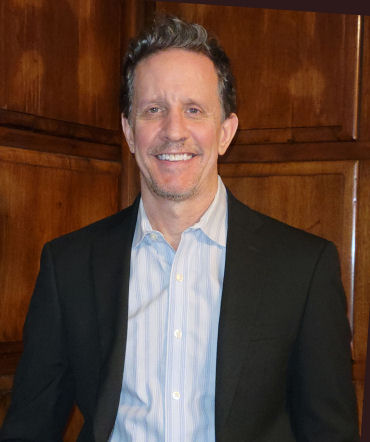
I work with couples by focusing on the unconscious factors impeding their relationship — not just the content of their arguments. From a psychoanalytic perspective, relationship conflict is rarely about surface issues but rather a result of deep-seated beliefs held by both partners about how things "should be." Together, we will work toward the goal of more emotionally attuned, intimate, and flexible ways of relating.
1. Attachment Insecurity and the Pursuit–Withdrawal Cycle
At the core of many recurring conflicts is a simple question: Can I rely on you when it matters? When that sense of safety feels uncertain, couples often stop speaking directly about needs and start reacting instead.
- Pursuing and Withdrawing: One partner pushes for closeness through talking, questioning, or escalating. The other feels overwhelmed or criticized and pulls back and avoids contact.
- Self-Perpetuating Cycle: The more one partner pushes for closeness, the more the other retreats — leaving both partners feeling angry and alone.
2. Familiar Relationship Dynamics Learned From Growing Up
Many people unknowingly repeat relationship dynamics that they learned from earlier life experiences. One partner may cope with stress by becoming more self-reliant and emotionally contained, while the other needs more closeness and reassurance. Under pressure, these differences can intensify and create repeated misunderstandings that feel personal and hurtful, even when in fact they are not.
3. Stress and Emotional Capacity
High levels of ongoing stress, including work-related burnout, reduce emotional bandwidth by making the central nervous system goes into high-alert mode. When people are fatigued, they have less patience, less flexibility, and less ability to recover quickly from conflict. Small disagreements can feel much larger, and partners react more quickly and less thoughtfully than they intend.
4. Replaying Old Emotional Experiences
In long-standing conflict, partners often begin reacting not only to each other, but also to older emotional experiences. They react to what they *think* their partner is doing, which is often their subjective interpretation of the situation. A current disagreement can feel like a repeat of past rejection, criticism, or abandonment. When that happens, the present moment gets distorted, the pain feels more intense and disproportionate, and it becomes harder to resolve what is actually happening.
Core Areas of Couples Therapy
- Communication & conflict patterns — repeated arguments, escalation, shutdowns, and missed connection.
- Emotional intimacy — feeling understood, emotionally present, and connected.
- Attachment patterns — how each partner tends to respond under stress (anxious, avoidant, or mixed).
- Trust & repair — working through betrayal, secrecy, or repeated ruptures in safety.
- Sexual intimacy — differences in desire, closeness, and emotional/physical connection.
- Roles & responsibility — patterns of imbalance, resentment, or feeling overburdened.
- Values & compatibility — differences in long-term goals, priorities, or direction.
- Family-of-origin patterns — how early experiences shape expectations in adult relationships.
- The rupture and repair cycle — how couples recover (or fail to recover) after arguments.
Clinical Approaches to Couples Therapy
I help couples to work at more than one level at once — what you say, how you feel, how you react under stress, and the issues that re-occur between you over time. Different approaches emphasize different parts of this process.
Emotionally Focused Therapy (EFT)
EFT focuses on the emotional bond between partners. It helps couples move away from reactive arguments and toward clearer expression of underlying feelings like fear, hurt, and longing.
Psychoanalytic Couples Therapy
This approach looks at deeper emotional issues that partners may not fully notice in themselves — especially those shaped by childhood experiences and relationships. It focuses on how people may repeat familiar dynamics, react to each other through the lense of old (and often unmet) expectations, and struggle with vulnerability, closeness, and control.
The Gottman Method
Based on research on real couples, this approach identifies patterns that predict relationship distress and helps couples shift specific behaviors that keep conflict cycles going — such as criticism, defensiveness, withdrawal, and emotional shutdown.
Imago Relationship Therapy
Imago (originally pioneered by Harville Hendrix) uses structured conversation to slow things down so partners can actually hear each other. It helps couples understand how early life experiences shape current emotional reactions and expectations in relationships.
Moving Beyond a Frozen Relationship
The goal of couples therapy is not to decide who is right, but to understand what is happening between you when conflict arises— and how to understand and change it.
In my Manhattan practice, the focus is on helping couples recognize what is really happening in the moments leading up to arguments, reduce reactivity, and rebuild a more stable and intimate way of relating. Couples can be affected by grief or past trauma, which often shape how both partners relate to each other.
If this reflects what you are experiencing in your relationship, reach out and we can have a conversation.
Couples Therapy Articles & Focus Areas
Core Relationship Problems
Communication & Conflict
Attachment & Emotional Intimacy
Trust & Repair
Sexual Intimacy
Values & Life Structure
Clinical Modalities